


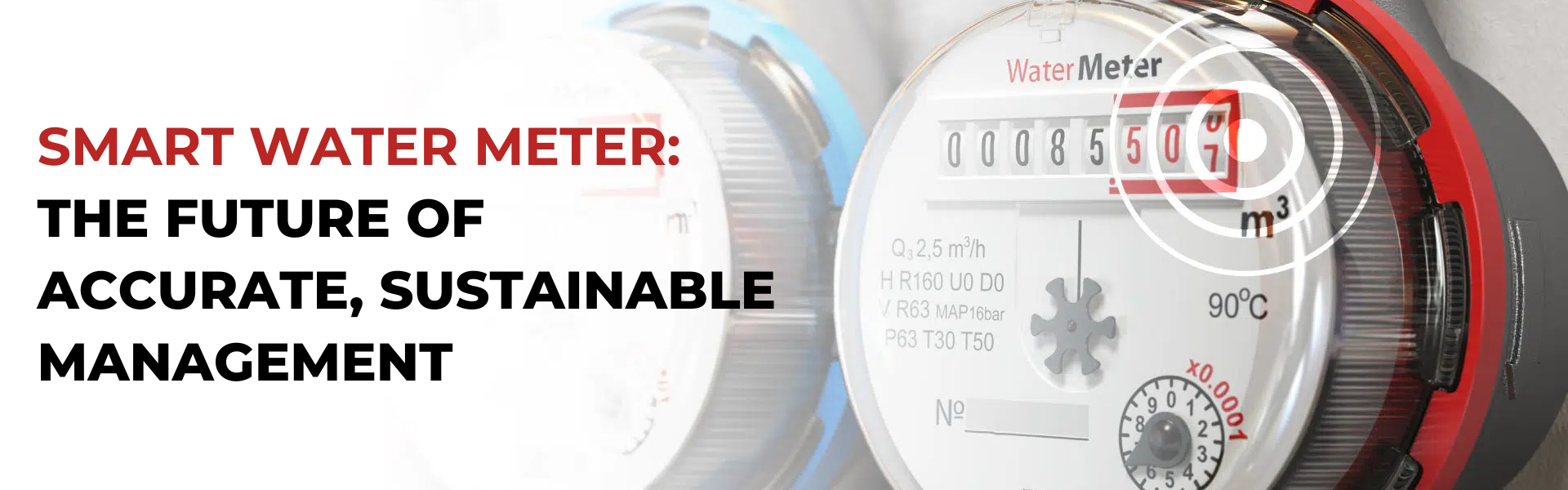
A smart water meter is a digitally connected device that measures water consumption with high precision and transmits usage data automatically over secure networks, enabling accurate billing, near real-time monitoring, and proactive leak detection for homes, buildings, and utilities. Unlike traditional manual-read meters, smart meters are part of AMR/AMI systems that remove the need for onsite reading and give users and utilities granular insights via apps or portals.
What is a smart water meter?
Smart water meters are advanced meters that record water use at frequent intervals and send readings wirelessly to a utility’s systems, often hourly or daily, supporting analytics, alerts, and transparent billing based on actual consumption. The term “smart” commonly refers to AMI-class meters (full two-way infrastructure) as opposed to AMR devices that only transmit when a reader is nearby. In modern residential and mixed-use developments, smart gas, electric, and water meters are typically included as part of the project’s smart-living feature set to enhance convenience and sustainability.
AMR vs AMI
- AMR (Automated Meter Reading): Transmits data to a handheld or drive-by receiver so field staff can capture usage without entering the property, reducing manual effort but offering limited interactivity and cadence.
- AMI (Advanced Metering Infrastructure): Provides two-way, automated readings throughout the day over fixed networks (e.g., RF mesh, cellular, PLC), making hourly data visible in customer portals and enabling automatic leak and continuous-flow alerts.
How it works
- Sensing and measurement: The meter core measures flow using technologies such as ultrasonic transit-time or electromagnetic induction, translating flow into volume with high accuracy and minimal moving parts.
- Communication: A radio module transmits encrypted interval data over a fixed network (RF mesh, cellular, or PLC) to utility head-end systems each day or even hourly, with AMI enabling two-way commands and firmware updates.
- Data management: Meter Data Management Systems (MDMS) store, validate, and analyze interval data, drive insights like leak detection, and feed customer apps and billing engines to ensure timely and accurate bills.
- Customer access: Users view daily or hourly consumption, set alerts, and track trends through utility web portals or mobile apps, improving awareness and enabling proactive conservation.
Key components
- Meter body and flow sensor: Ultrasonic or electromagnetic module for precise, low-drift measurement across a wide flow range.
- Communication module: RF, cellular, or PLC modem with secure transport for automated reads and event alerts such as reverse flow or continuous usage.
- AMI network and head-end: Fixed network collectors and utility-side servers to receive and route meter messages.
- MDMS and analytics: Systems that cleanse, store, and analyze interval data, detect anomalies, and integrate with billing and customer interfaces.
- User portal/app: Daily or hourly visualization, goal setting, and notifications for leaks or unusual usage.
Features
- Automatic daily/hourly readings: Eliminates bi-monthly manual reads and provides near real-time insights into water use patterns at the dwelling or building level.
- Leak and continuous-flow alerts: Identifies abnormal consumption signatures to notify occupants and utilities of probable leaks before high bills or damage occur.
- Accurate billing from actual usage: Replaces estimated bills with interval-based reads to reflect true consumption and seasonal patterns.
- Remote access and visibility: Usage data is accessible via web and mobile portals, empowering informed decisions and behavior changes.
- Two-way capabilities (AMI): Supports network-driven diagnostics, time-synchronized intervals, remote firmware updates, and utility-side analytics.
- Integration in smart communities: Deployed alongside smart gas/electric meters and access systems to create a cohesive smart-living environment in premium developments.
Benefits
- Precision and fairness: Interval data yields accurate, transparent bills based on actual consumption, reducing disputes and eliminating estimated reads.
- Early leak detection: Faster detection curbs water waste, mitigates property risk, and prevents bill shock through threshold-based alerts and continuous-flow flags.
- Convenience and safety: No need for property access, which is especially valuable for hard-to-reach meters, gated communities, or meters in unsafe locations.
- Sustainability gains: Data-driven awareness helps residents curb wastage, while fewer field visits reduce vehicle emissions and operational footprints.
- Utility efficiency: AMI improves planning, demand forecasting, and customer service by providing granular, validated data for operations and outreach.
- Resident experience: Real-time visibility and app-based insights align with modern expectations of connected homes and smart amenities.
Core measurement technologies
- Ultrasonic: Uses transit-time differences of acoustic pulses between paired transducers; high accuracy, low pressure drop, and no moving parts for longevity.
- Electromagnetic: Applies a magnetic field to flowing water to induce a voltage proportional to velocity, converting to volumetric flow with stable performance.
Both technologies can achieve industry-leading accuracy and stability when properly installed and calibrated, supporting reliable billing and analytics over time.
Communication options
- RF mesh: Neighborhood collectors form a resilient mesh, aggregating meter messages for backhaul to utility systems.
- Cellular: Each meter or collector uses mobile networks for wide coverage and rapid deployment, common in AMI rollouts.
- PLC (power line carrier): Uses electrical infrastructure to carry data, more common in electric but also part of multi-utility AMI strategies.
Daily transmission with hourly measurement is typical in water AMI, making prior-day hourly data visible in customer portals without site visits.
Security and privacy
Smart water meters transmit operational data over secure networks managed by utilities, with modern AMI architectures emphasizing encryption, authentication, and role-based access within MDMS and head-end systems. AMI’s design supports secure two-way communications, enabling firmware updates and diagnostics while protecting customer data integrity and privacy.
Use cases
- Residential conservation: Households monitor daily/hourly usage, compare period-over-period patterns, and detect silent leaks such as running toilets or irrigation faults.
- Multi-dwelling and mixed-use: Submetering and portfolio analytics help facilities teams prioritize maintenance, benchmark buildings, and validate savings from retrofits.
- Hard-to-access sites: Remote reads avoid safety risks and scheduling conflicts, improving coverage without entry to secured or confined areas.
- Smart community integration: Combined with smart door, gate, and energy systems to offer residents a cohesive, tech-enabled living experience.
Deployment in modern developments
Premium residential projects increasingly list smart metering among core smart-home and sustainability features, positioning it alongside EV charging, app-based access, and CCTV. This bundling elevates resident convenience and enhances property value through transparent utilities management and sustainability credentials.
Customer experience and portals
With AMI, customers typically see prior-day hourly data, helping to pinpoint when and where usage spikes occur, such as irrigation windows or abnormal overnight flow suggesting leaks. Utilities often pair this with alerts and conservation tips, reinforcing a collaborative approach to water stewardship and bill management.
Implementation considerations
- Network coverage and topology: Ensure adequate RF/cellular coverage for reliable daily transmissions and scalable growth across phases or blocks.
- Meter selection and sizing: Match ultrasonic or electromagnetic meters to the flow ranges and installation constraints of each dwelling or riser for accuracy.
- Data governance: Establish policies for retention, access, and analytics to support operations, customer care, and regulatory reporting.
- Resident onboarding: Provide clear guidance on portal enrollment, interpreting interval charts, and setting leak alerts to maximize engagement and savings.
Why this matters for your project
In a smart-living development, integrating smart water meters alongside gas and electricity meters creates a consistent digital utility experience, enabling accurate billing, better resident engagement, and streamlined facilities operations from day one. The combination of AMI connectivity, leak analytics, and customer portals turns water management from a periodic task into a continuous, proactive service that protects assets and elevates the resident experience.
Bottom line
Smart water meters transform water management by pairing precise, low-maintenance metering hardware with an AMI backbone that delivers automated readings, granular visibility, and proactive alerts for residents and utilities alike. For modern residential projects, they are a cornerstone smart feature that enhances accuracy, convenience, sustainability, and asset protection across the entire lifecycle of the property.
Frequently Asked Questions
1. What is a smart water meter?
A digital meter that records your use in intervals and sends readings automatically for accurate bills and quick leak alerts.
2. How does it help me?
See daily/hourly usage online, spot spikes early, and fix leaks before they get expensive.
3. How often is data updated?
Hourly measurements are typically visible the next day in your account or app.
4. Do I still need manual reads?
No, the meter sends readings wirelessly over secure networks; routine site visits aren’t needed.
5. Can it detect leaks?
Yes, continuous or overnight flow triggers alerts so you can act fast and avoid bill shock.
6. Is my data secure?
Yes, AMI systems use encryption and authenticated access to protect your information.